Should our UK business choose barcode tracking, UHF RFID, or a hybrid system?
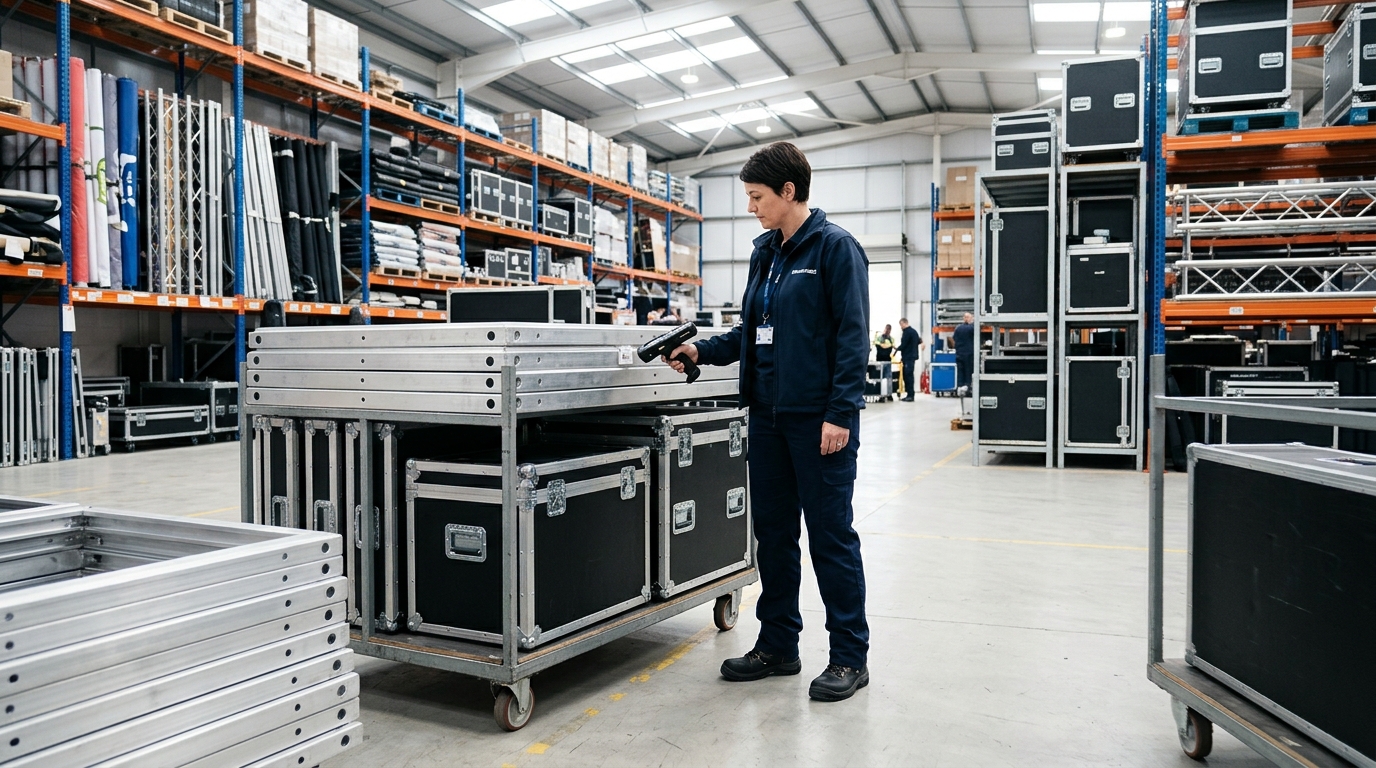
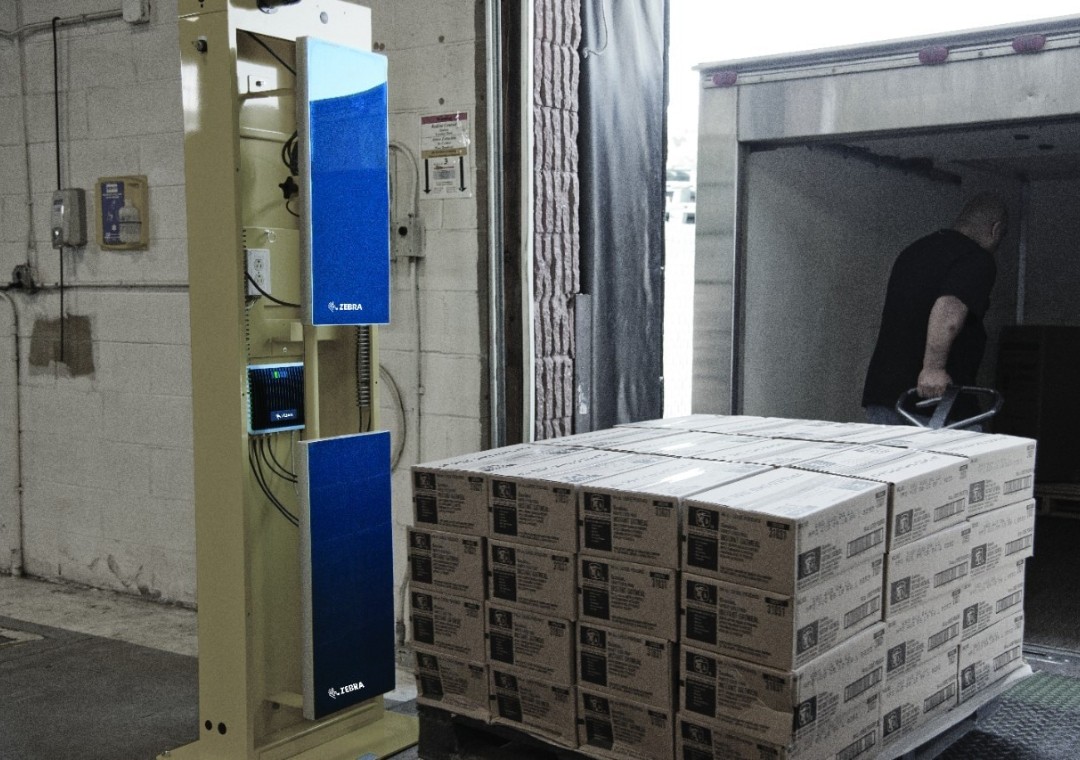
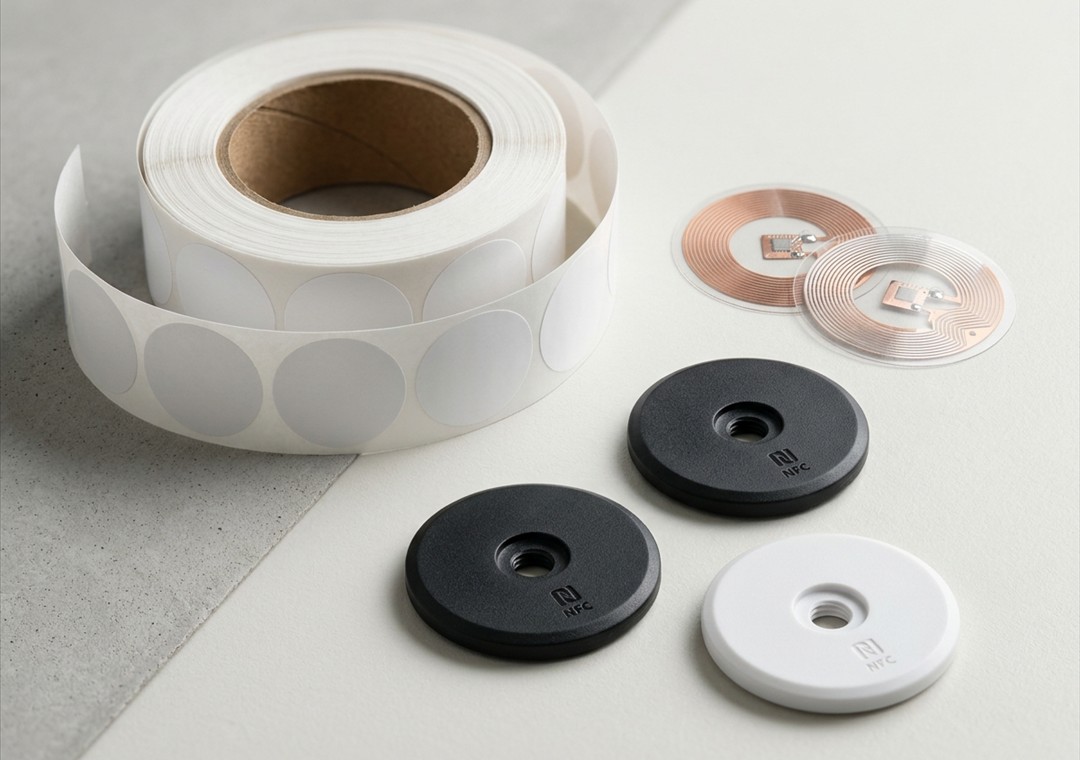
The right choice depends on scan volume, line of sight access, and unit item value. 1D/2D barcodes are highly cost effective for consumable stock, pallet labels, and archive boxes where operators already handle items individually. Passive UHF RFID excels when you need to audit tools, fabric linen trolleys, or returnable containers simultaneously without line of sight. Because GJBS authors the underlying AR-Suite platform, many clients run a hybrid estate, using barcodes for goods in and consumables and RFID for high value plant, tools, and returnable transit packaging in the exact same database.
Are we locked into one scanner or printer manufacturer when working with GJBS?
No. GJBS is an independent UK software author and hardware integrator rather than a single brand box shifter. We test and support enterprise Android mobile computers, fixed RFID portals, industrial label printers, and specialist tags across leading manufacturers. If you already own compatible Android terminals or thermal printers, we can often deploy our software directly onto your existing estate while supplying only the extra hardware or tags you genuinely need.
Can GJBS customise a standard GJBS software module around our existing warehouse or site paperwork?
Yes, modular customisation is one of the main reasons UK manufacturers, ports, and contractors choose GJBS over rigid self serve SaaS apps. You gain the reliability and rapid deployment of a proven core product (such as AR-Stock, AR-Tracker, or AR-Tool Tracker), while our in-house UK software team tailors field names, pick/dispatch rules, delivery notes, compliance certificates, and ERP exports to match how your operation actually runs.
Do your tracking systems work offline in yards, basements, vans, or remote construction sites?
Yes. Our Android mobile terminal applications are engineered for real industrial environments where Wi-Fi or 4G/5G coverage can drop out, including steel framed warehouses, port timber yards, cold stores, and remote civil engineering sites. Operatives continue scanning offline with local validation, and transactions synchronise automatically to the central SQL database as soon as connectivity returns.
How is a typical GJBS turnkey project scoped, priced, and deployed across the UK?
Every engagement starts with a practical discovery call or live online demonstration to review your items, environment, and reporting goals. Where RFID or harsh surfaces are involved, we recommend tag suitability testing or an on site survey. We then provide a transparent proposal covering software licensing, configured hardware, durable labels/tags, installation, and operator training, so devices arrive ready to scan from day one.
Can GJBS link barcode and RFID scanning directly into Sage, SAP, Microsoft Dynamics, or Xero?
Yes. Our UK engineering team builds reliable bi directional connectors into Sage 50, Sage 200, SAP Business One, SAP S/4HANA, Microsoft Dynamics 365 Business Central, Oracle NetSuite, Xero, and bespoke SQL databases so goods in, stock movements, and dispatch invoices never have to be typed twice.
What is the difference between managed UK cloud hosting and on premise SQL Server deployment?
Managed UK cloud hosting lets multi depot teams go live rapidly with server backups and security updates handled by GJBS, whereas on premise Windows and Microsoft SQL Server deployment keeps your entire database inside your own corporate firewall for defence, aerospace, or strict internal IT governance.